Where Leads Go to Die: The Bullpen Problem
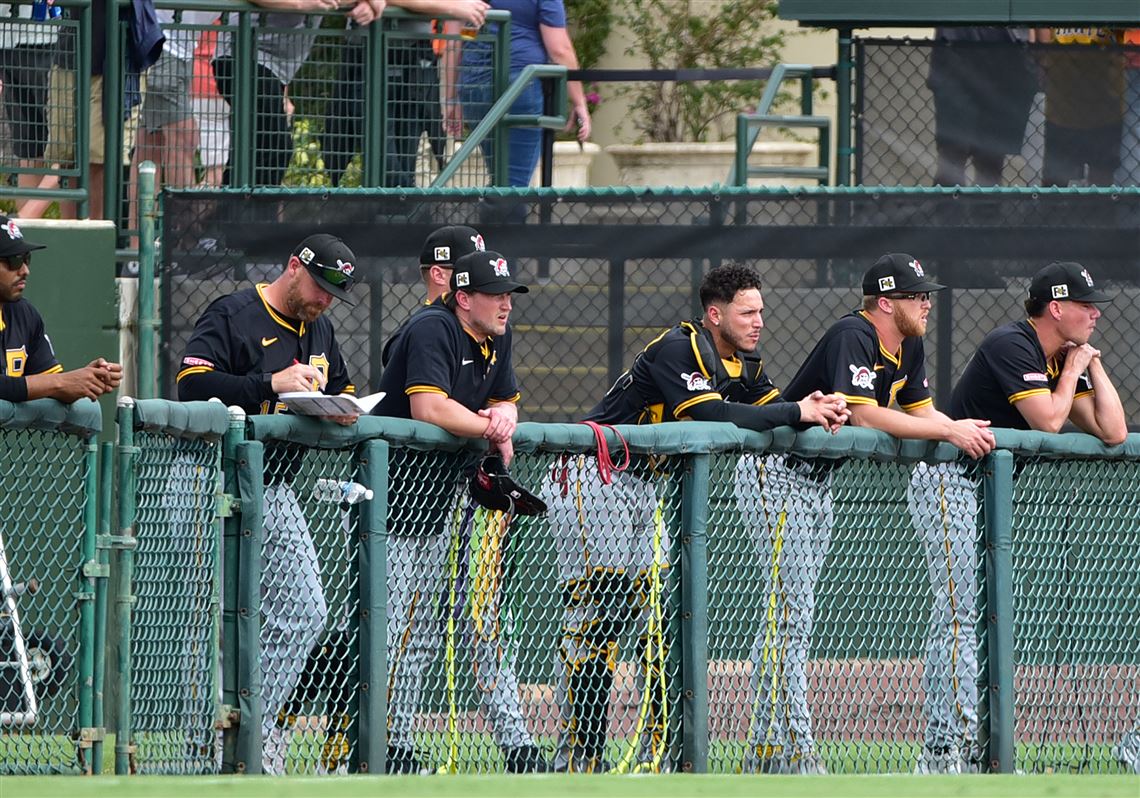
It's the bottom of the seventh—your team is up three runs, the starting pitcher just walked off the mound after delivering all night and everything seems under control. Your teams reliever comes jogging through the outfield ready to close out the game. Then it starts—two walks, a hanging slider that gets crushed and a reliever that just doesn't have it. Suddenly the lead is gone, the crowd is dead and a game that felt finished is somehow slipping away.
If that sounds familiar, it's because it keeps happening. In the MLB today, no lead is safe anymore and the most important innings aren't the first six—they're the last nine outs. Games are no longer won by starters and offenses, they're decided by what happens after the sixth inning.
The reality is, starters are pitching fewer innings than ever. No pitcher has thrown 250 innings in a season since Justin Verlander of the Detroit Tigers in 2011. Last season, only 21 pitchers threw 180 innings, and just Logan Webb, Christopher Sanchez and Garrett Crochet reached 200. Developing durable starters in todays game is a difficult task—and no matter how good your starting pitcher is, if there's no bullpen to back them up, your team is going to struggle.
For years, baseball was built around starting pitching. A dominant ace could take over a game, go seven or eight innings and hand things off. That version of the sport is fading. Today's baseball is driven by matchups, analytics and pitch counts. Managers are quicker than ever to pull starters, especially the third time through the lineup, even if they're pitching well. As a result, bullpens are being asked to cover more innings than ever before. It's no longer unusual to see three or four relievers used in a single game.
That shift has completely changed how games are decided—and how they fall apart.
When a bullpen struggles, it doesn't just hurt—it completely flips the game. A starter can dominate for six innings, rack up strikeouts and leave the mound with a comfortable lead, only to watch it fade in a matter of minutes. All it takes is one reliever who can't find the strike zone or one bad matchup that gets exposed. Walks pile up. A mistake pitch gets hammered. Momentum swings to the other side almost instantly. Teams like the New York Mets have already endured this frustration early this season, where late-inning issues have turned into winnable games and losses. The same narrative has been true at times for the Pittsburgh Pirates, where inconsistency out of the bullpen has overshadowed otherwise solid performances.
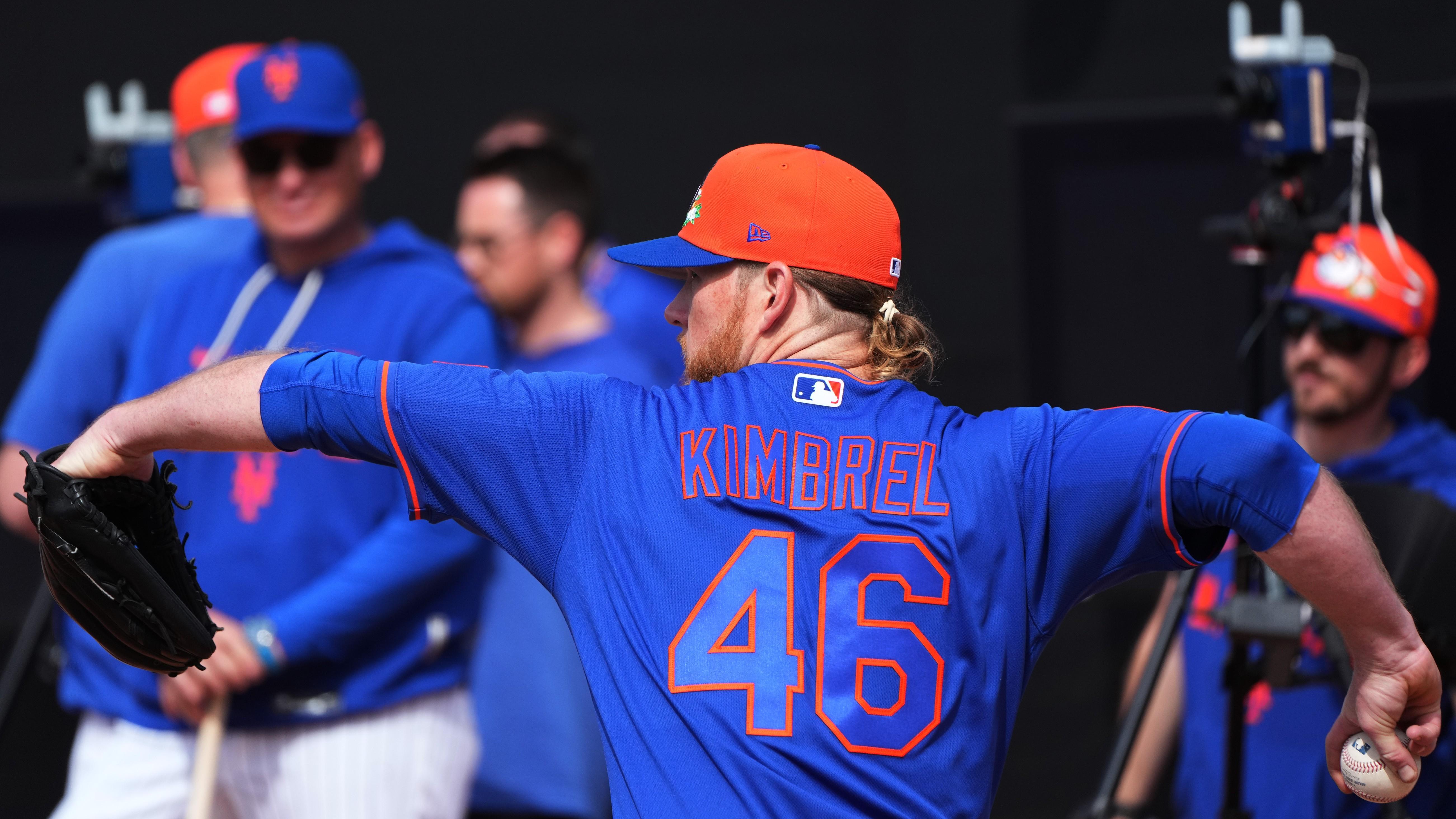
What makes it worse is how helpless it can feel. Once things start to unravel, there is no reset button. Managers can only cycle through arms and hope someone can stop the bleeding, but the damage is already done. In a league with so much offensive power, even a small crack in the bullpen can turn into a total collapse.
But the flip side is just as important. When a team has a dominant bullpen, it changes everything. Late innings become a strength instead of a concern. Teams with reliable relievers effectively shorten games. If they have the lead after six innings, it's just as good as over. That kind of consistency builds confidence not only for the pitchers, but for the entire roster. Players are comfortable knowing they don't need to score eight runs to win; they just need to get ahead and allow their bullpen to take over.
That's part of what makes the Los Angeles Dodgers so dangerous. It's not just their strong lineup or their starting rotation, it's their ability to utilize their bullpen and lock games down. The best bullpens combine power arms with depth, giving managers the flexibility to attack any situation. Closers and even middle relievers are becoming just as valuable as star starters because they are the ones entrusted to finish the games.
This shift matters so much more when you zoom out to the big picture. In the postseason, bullpen performance often determines who advances and who packs up to go home. Starters rarely go deep into games and every inning is high leverage. Teams build their rosters with this in mind, prioritizing depth and versatility rather than relying on one or two dominant arms. The ability to get those final outs consistently is what separates playoff contenders from everyone else.

So while highlight reels tend to focus on home runs or strikeouts, the reality is simpler: games are being decided after the sixth inning. The bullpen is no longer just a supporting piece—it's the backbone of winning baseball.
In today's baseball, it's not about how you start a game, it's about how you finish it and more often than not, the difference between a win and a loss comes down to the arms jogging in from the bullpen gate.

Comments
Post a Comment